On Friday night, I caught an overnight flight from American Samoa back to Honolulu (arriving just in time for sunrise), connecting to a Saturday morning flight to Hilo on the southeast shore of Hawai’i’s Big Island.
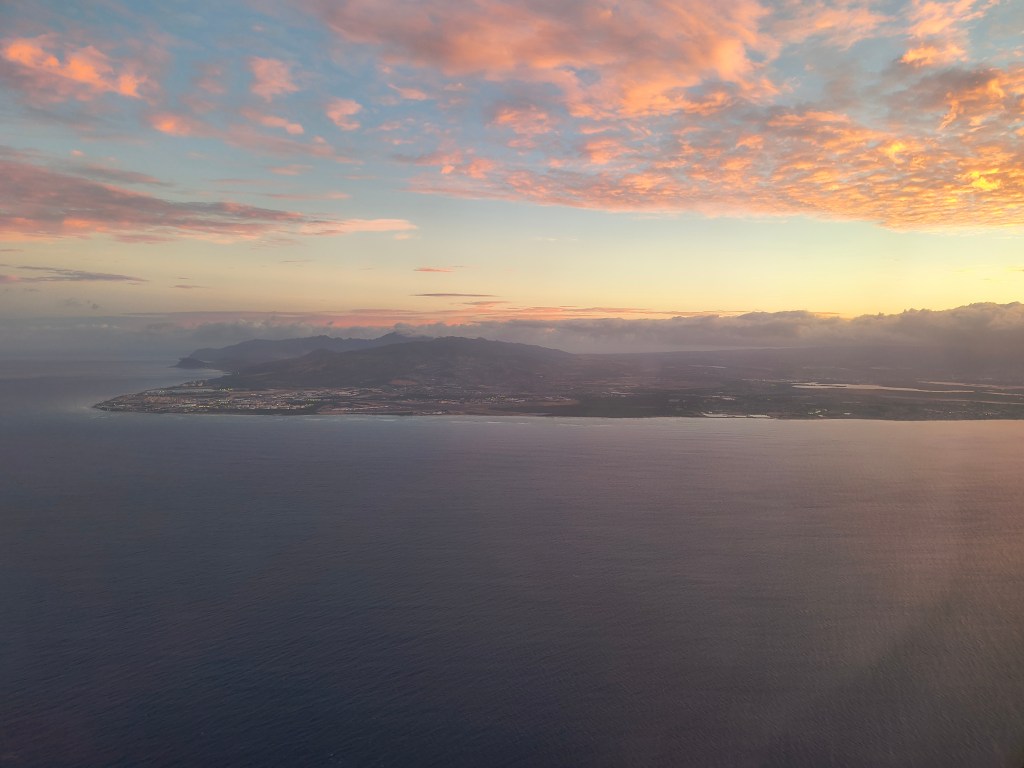
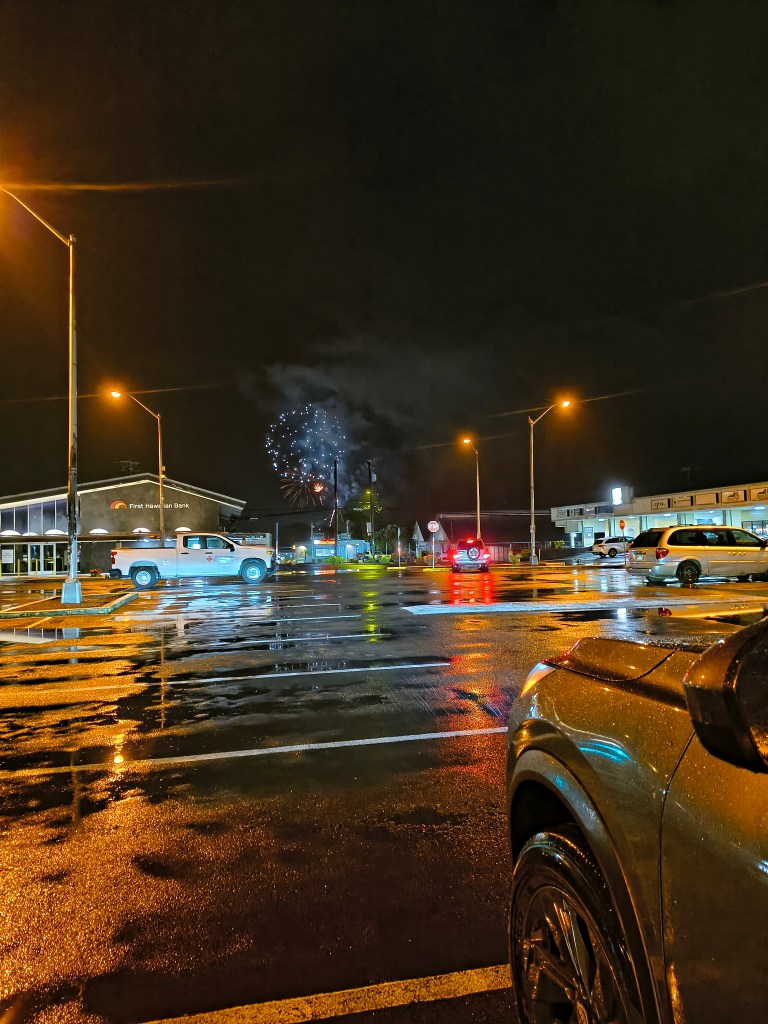
My parents picked me up from the airport, as they had already arrived a few days before and Margaret had joined them the previous evening. I took a long nap on Saturday since I don’t sleep well on red-eye flights. But it was July 4, the USA’s 250th birthday, so we drove in toward Hilo to catch a view of the fireworks over Hilo Bay.
Margaret’s only here for eight days because she has to go back to work, so we gave her the job of planning our tourist itinerary for this week (basically four days near Hilo and four near Kona on the west coast of the island).
I should explain that Hilo is on the windward (eastern) side of the island of Hawai’i, facing into the trade winds, while Kona is on the leeward (western) side. An enormous chain of volcanic mountains, topped by Mauna Kea, lie in between. The winds bring voluminous moisture to the island, but they’re forced upward by the mountains which causes them to condense and dump their rain on the Hilo side. So that side is a lush tropical rainforest, while the Kona side is much drier and sunnier (a bit like the southern California coast). The Kona side tends to be more popular with tourists and high-end resorts, while Hilo belongs more to people who actually live in Hawai’i. We wanted to see both sides!
On Sunday we started our Hilo schedule with a visit to the ‘Imiloa Astronomy Center, where we watched a cool planetarium show about the significance of constellations in different cultures (including the Hawaiian culture) and looked at the exhibits.
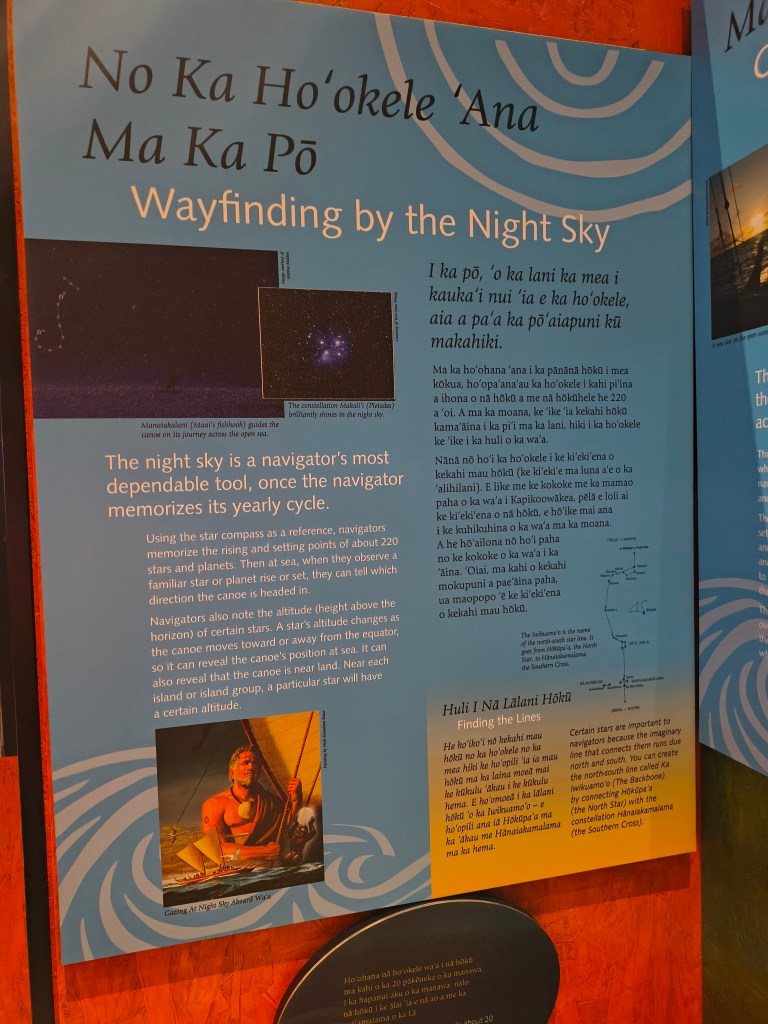
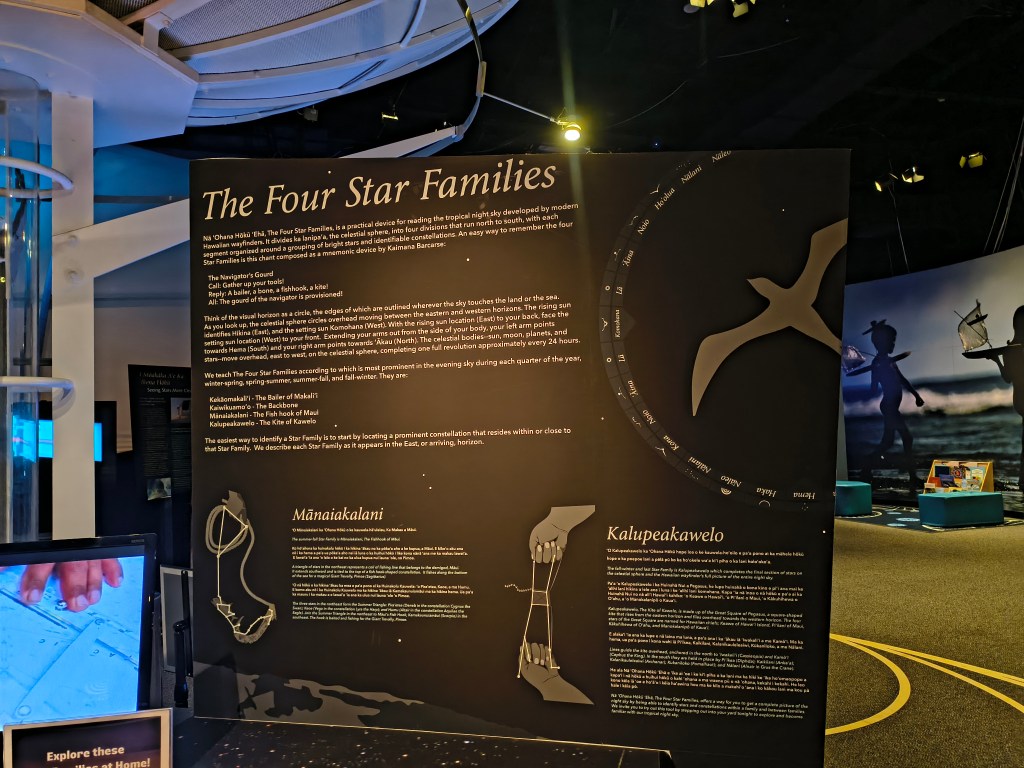
Hawai’i has a significant relationship with astronomy both because it was originally settled by amazing Polynesian navigators who could sail the Pacific in canoes with nothing but their intricate knowledge of the heavens and earth to steer by, and because it is now home to some of the world’s best professional-grade telescopes on top of Mauna Kea at 13,800 feet in elevation. The museum reflected both sides of that relationship.
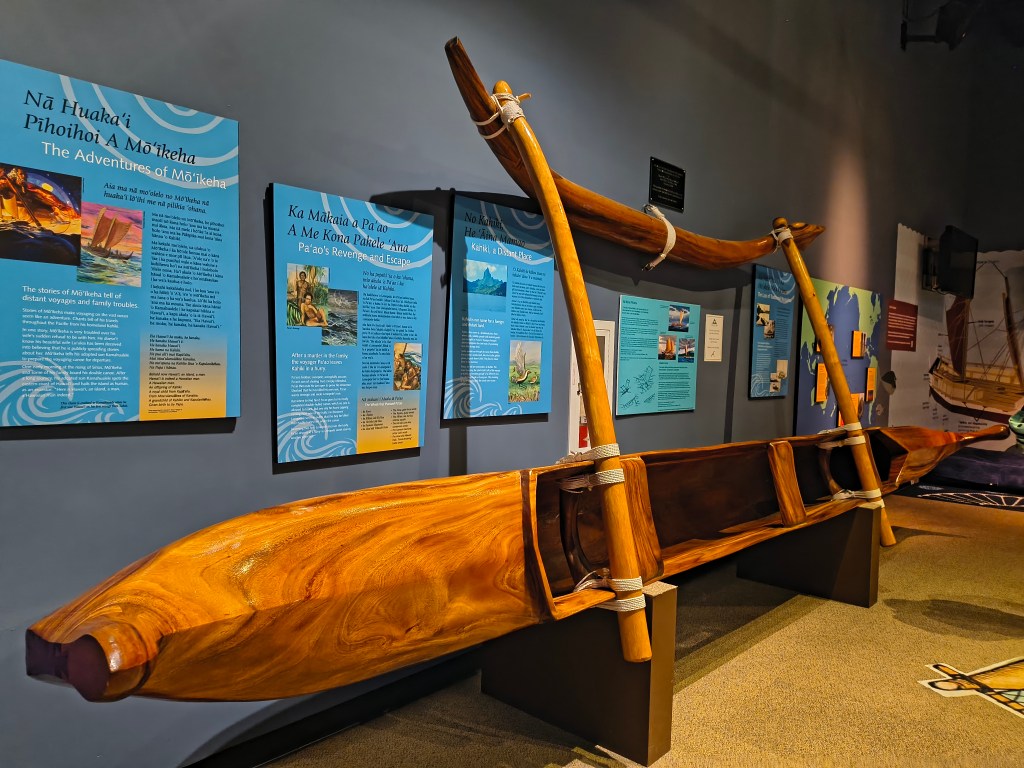
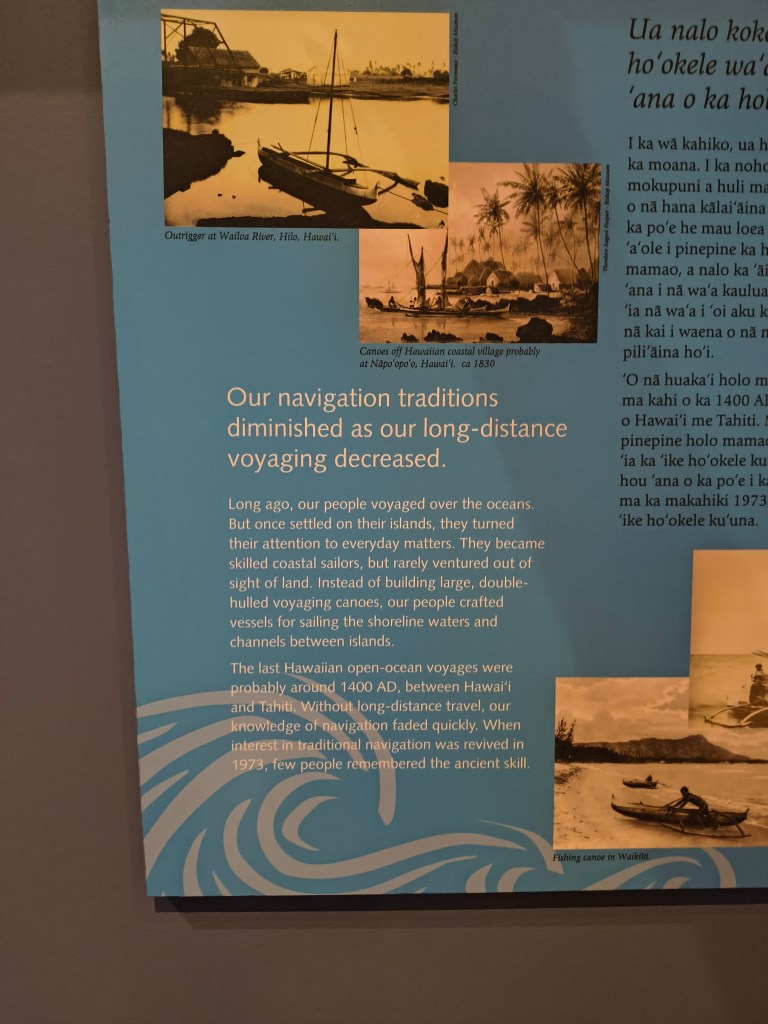
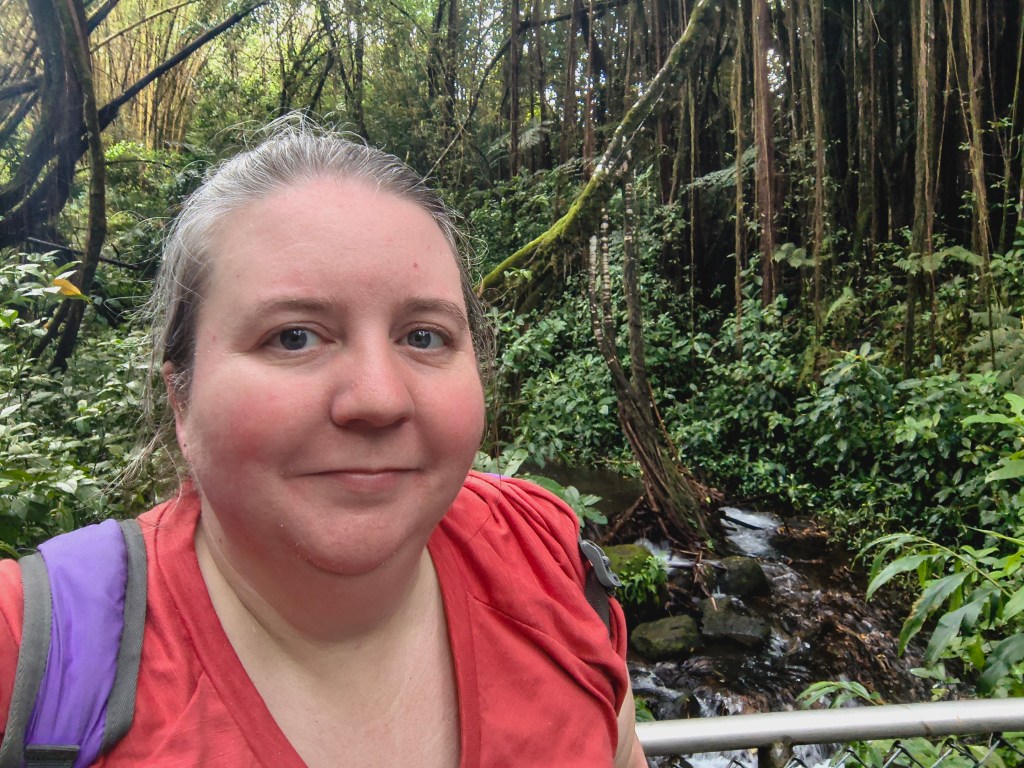
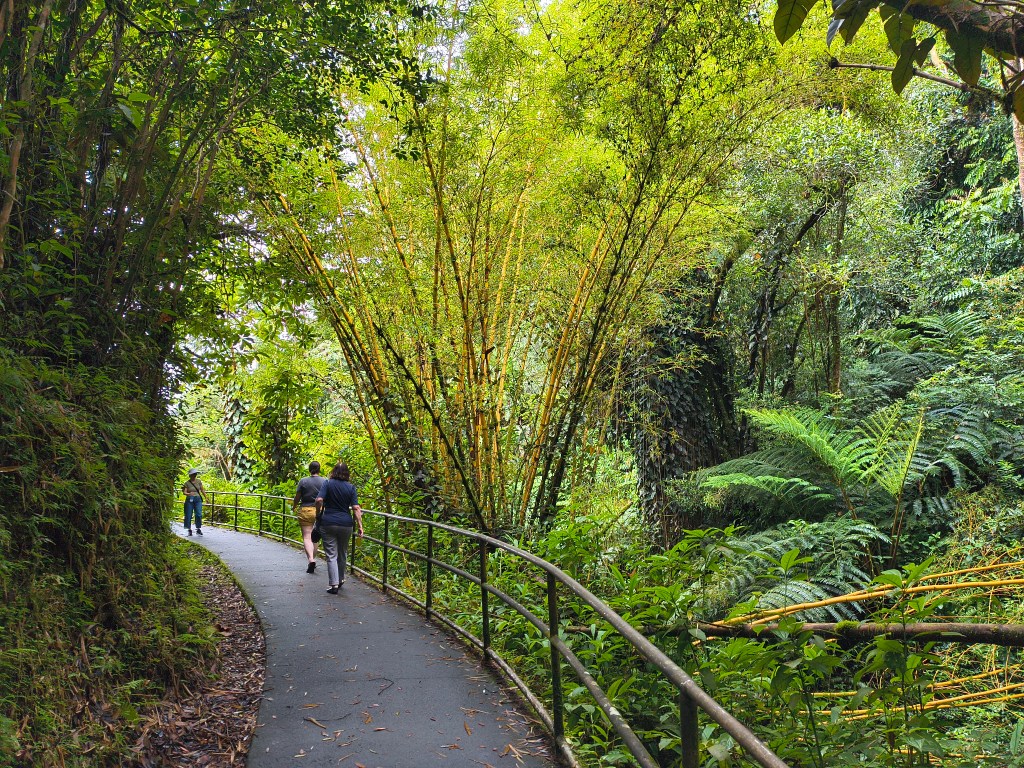
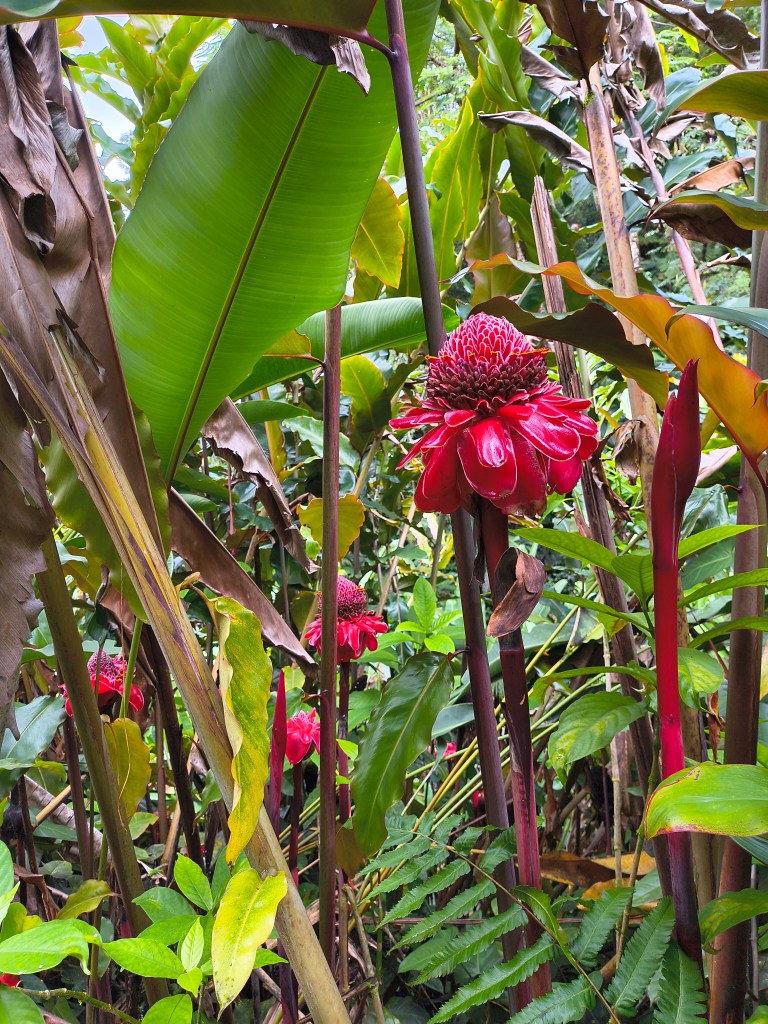
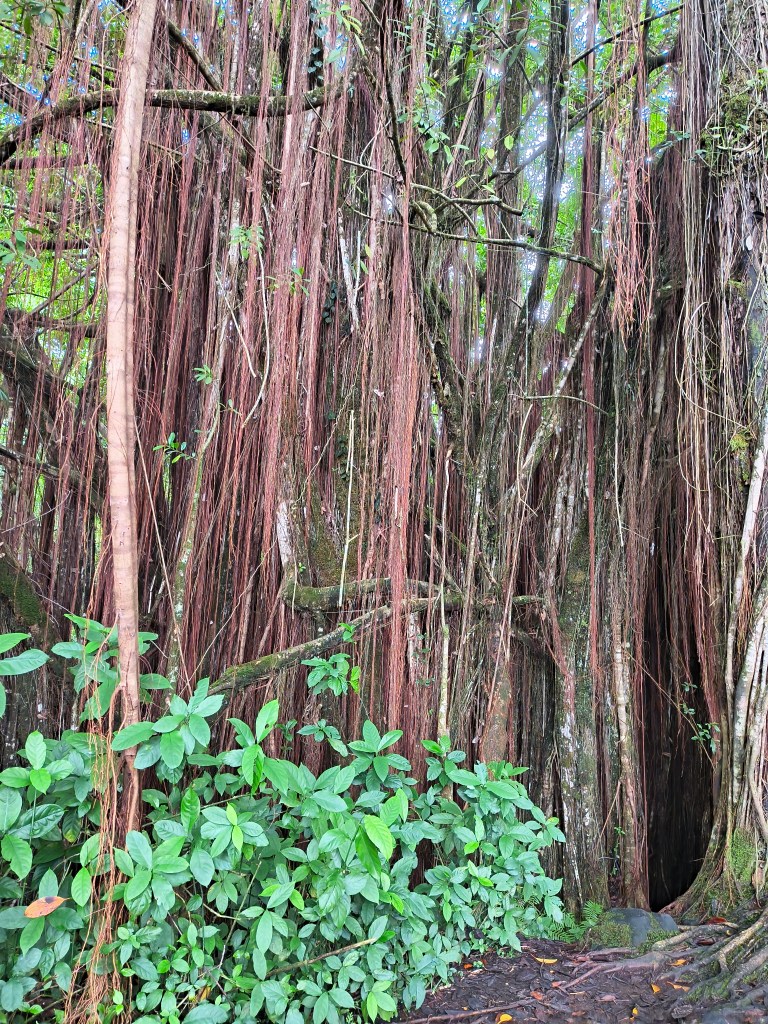
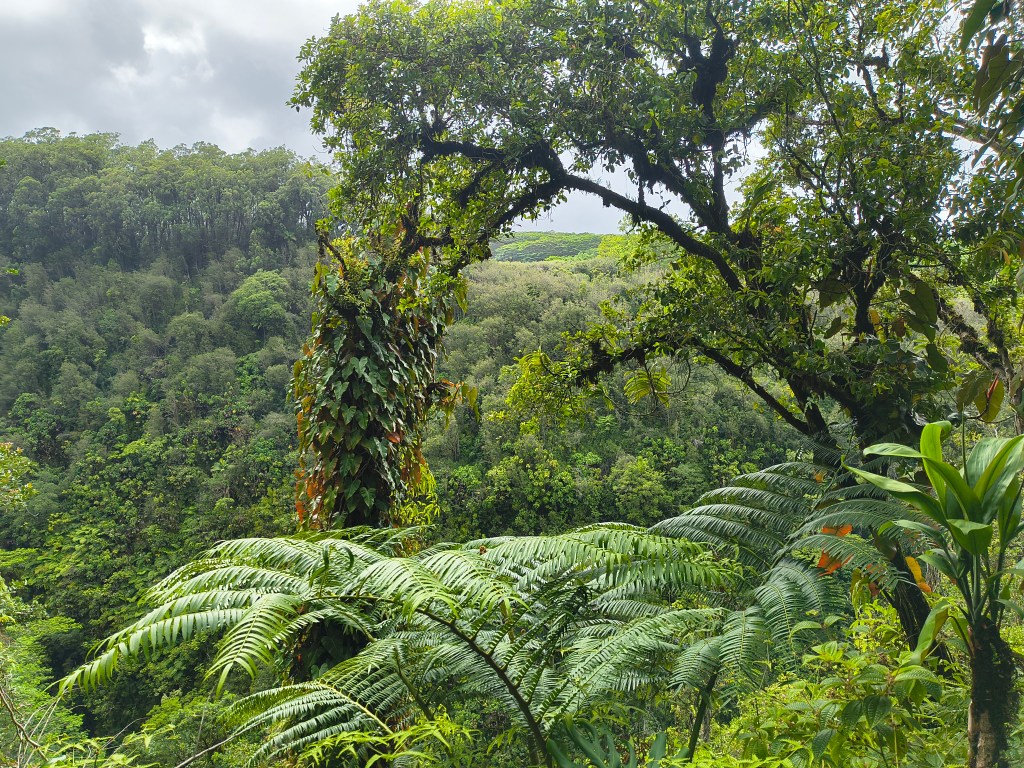
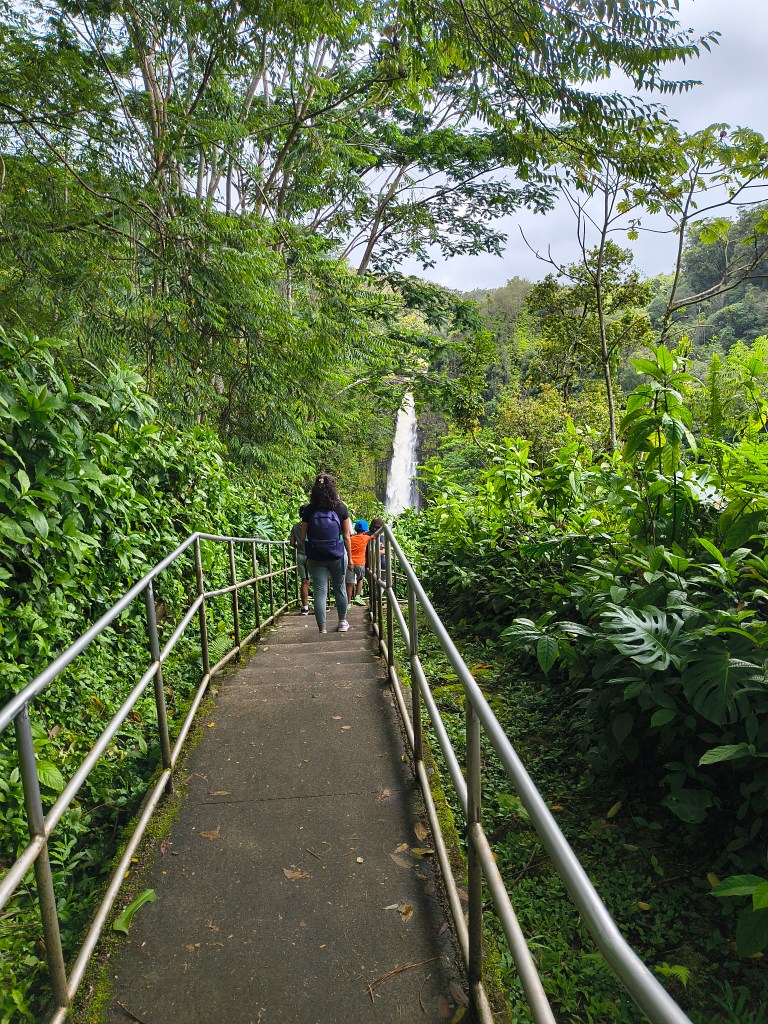
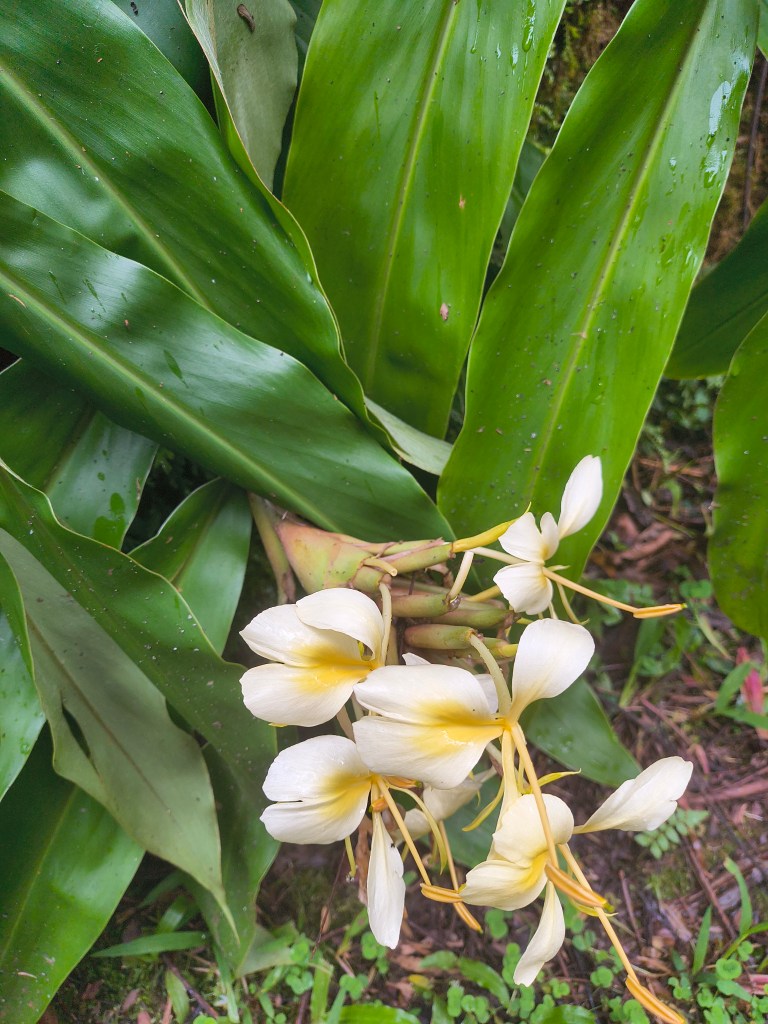
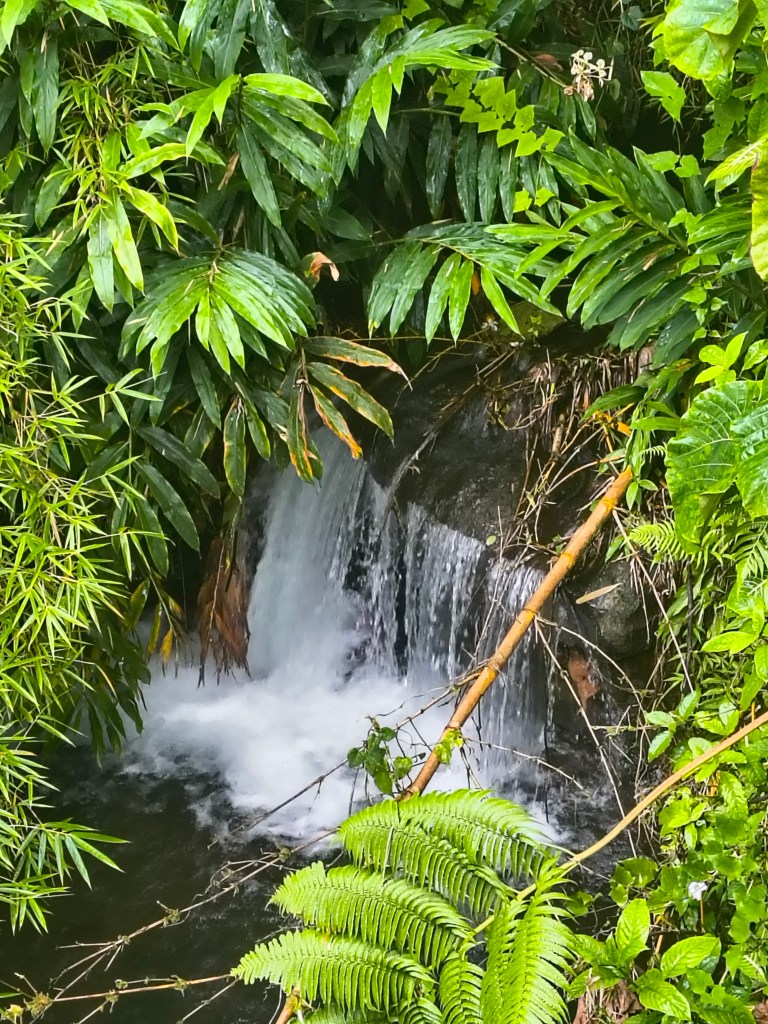
In the afternoon, we went to see ‘Akaka Falls, one of the longest and most beautiful waterfalls in Hawai’i. It wasn’t a long hike, but there were QUITE a few stairs up and down, and my knees saw fit to remind me that I’m about to have a birthday that puts me squarely into my “late 40’s.” But the falls, and the surrounding rainforest, were amazing.
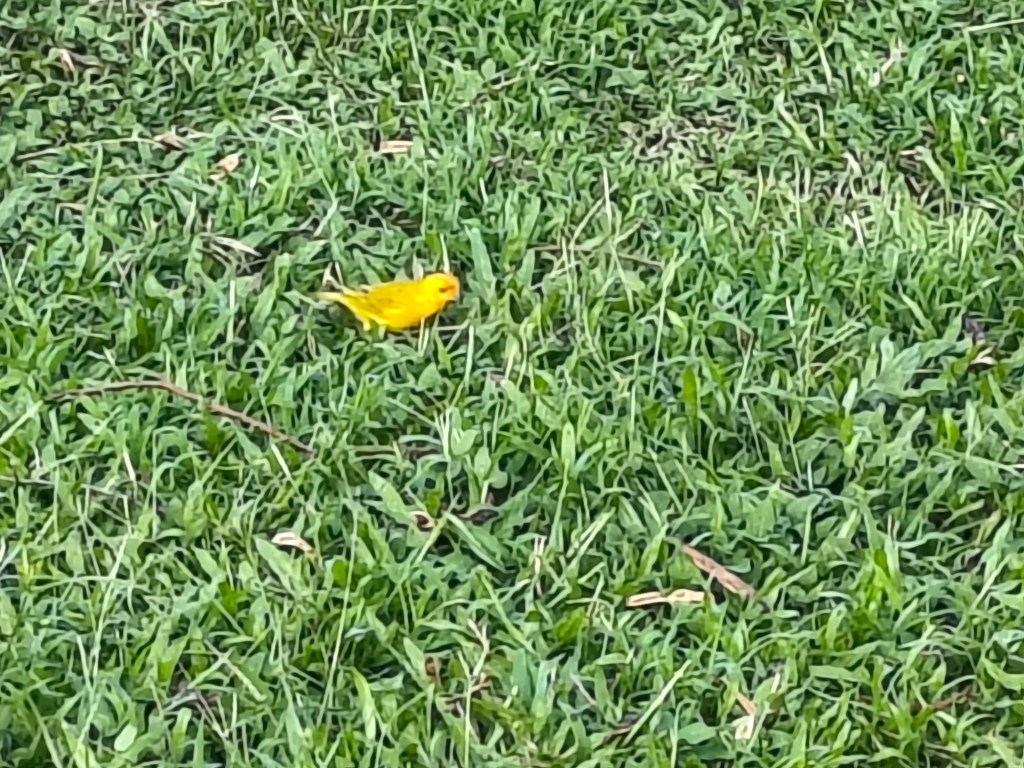
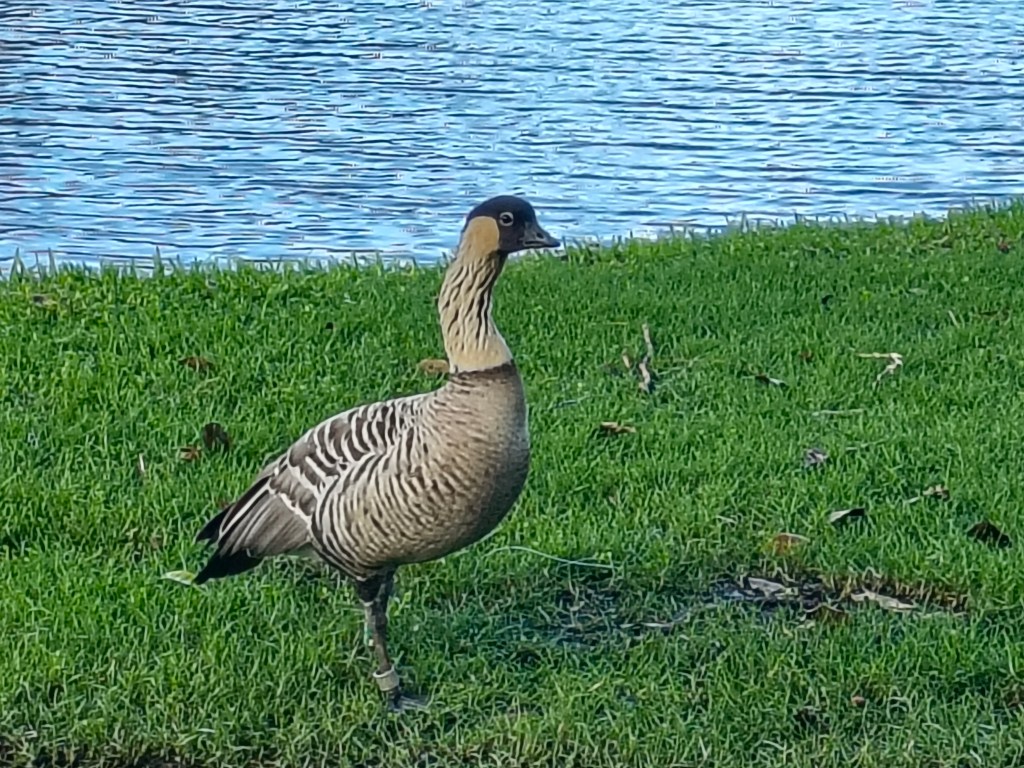
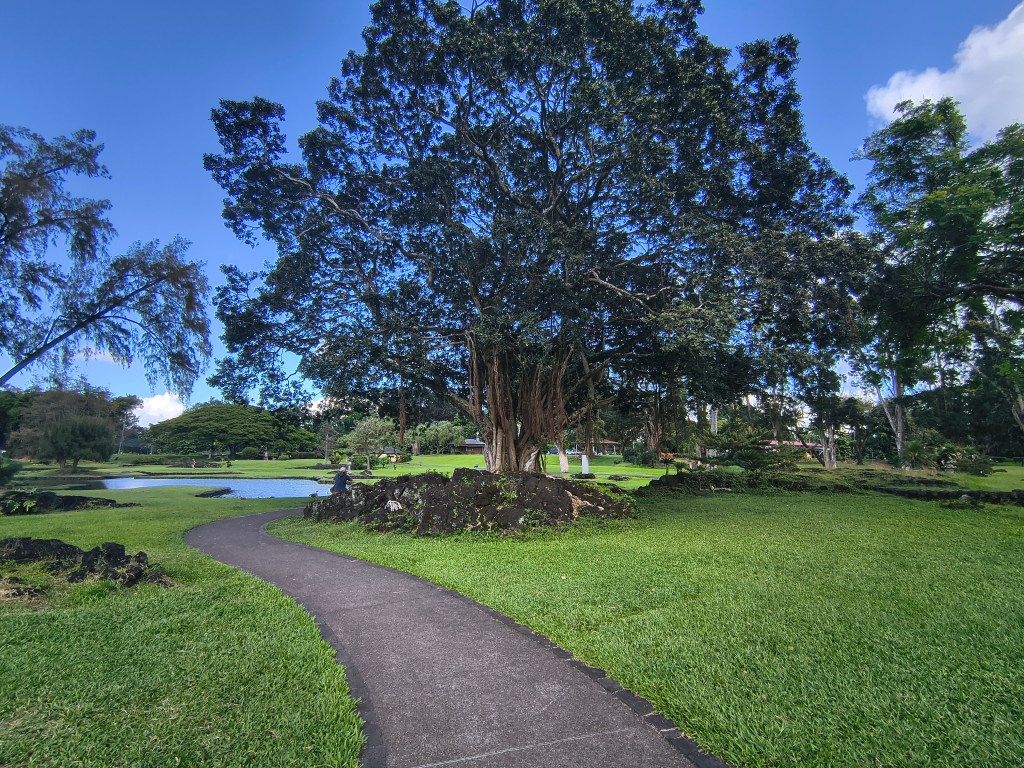
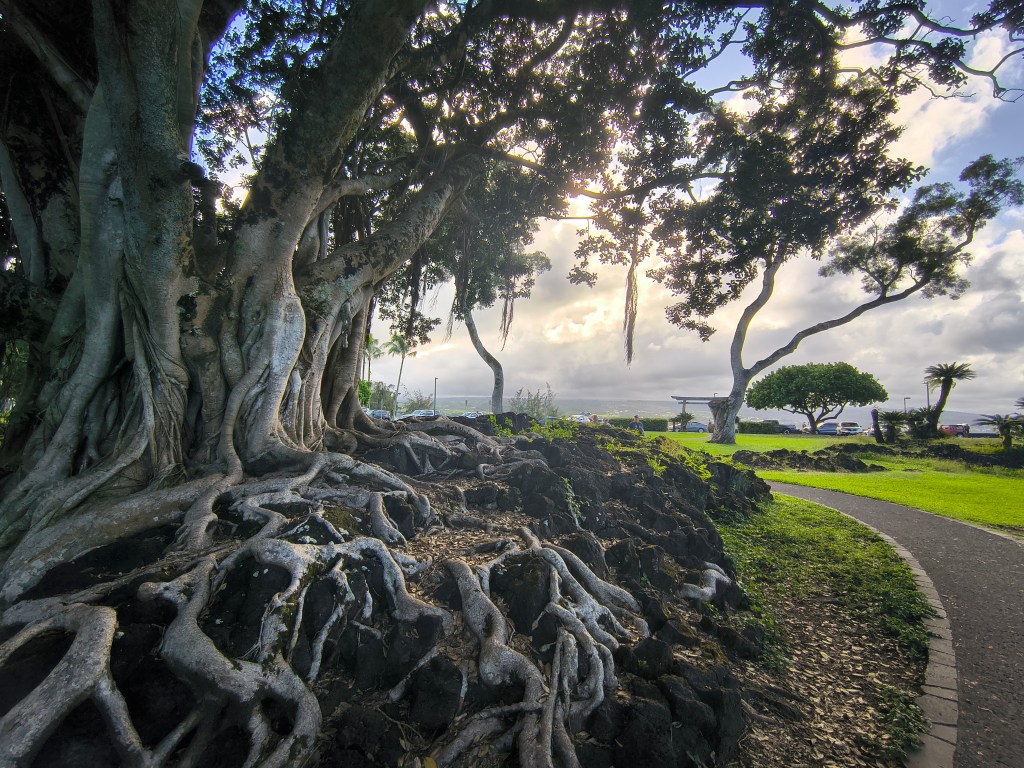
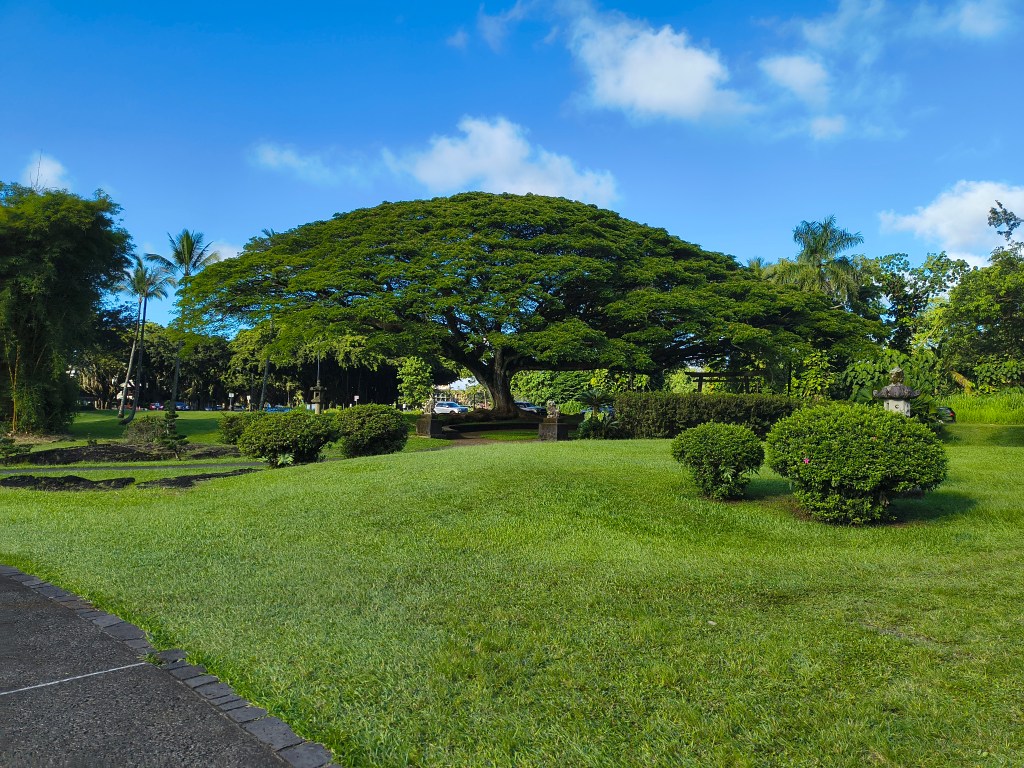
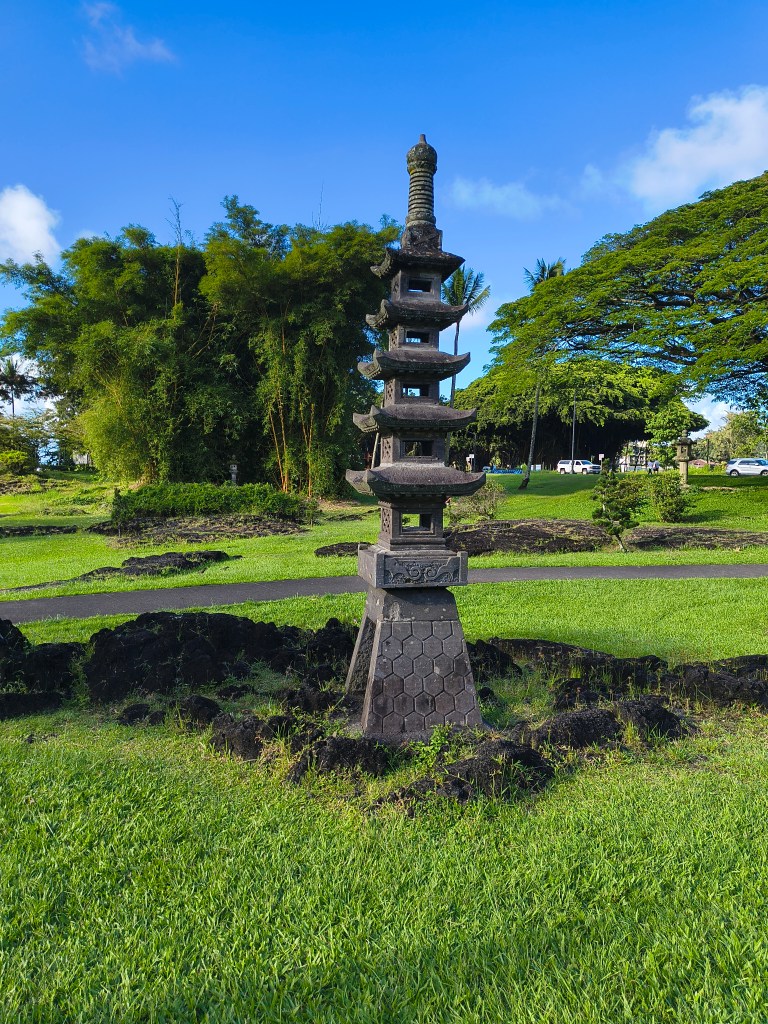
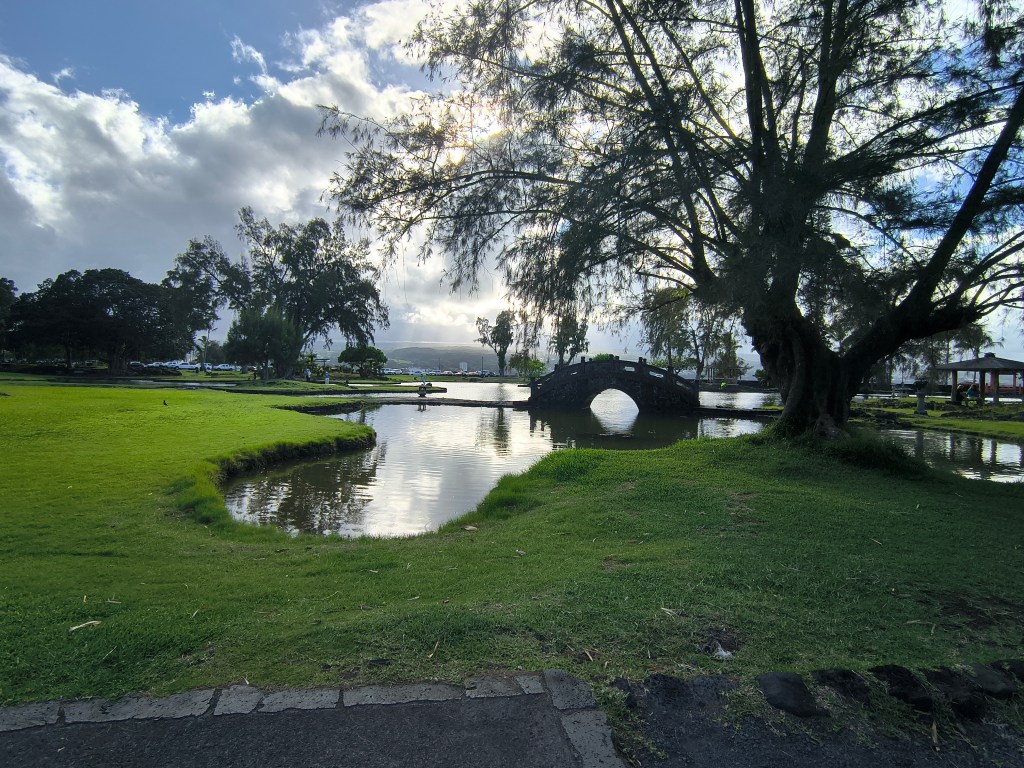
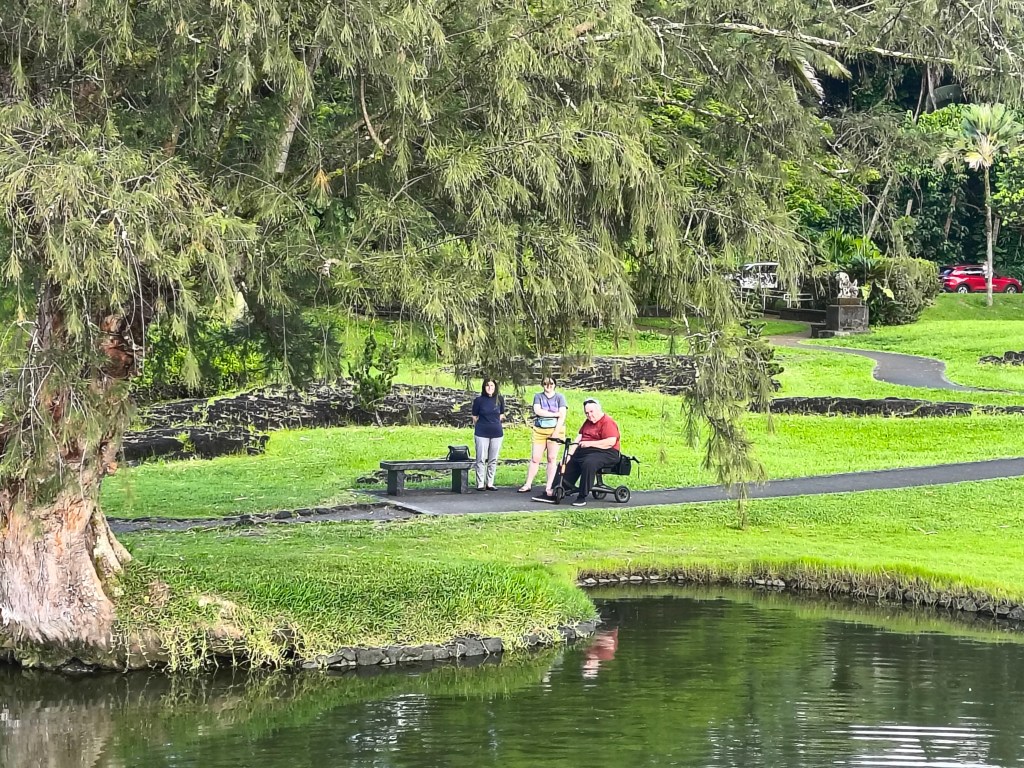
We ended the day at the Lili’uokalani Gardens, named for Hawai’i’s last queen, along the shore of Hilo Bay. The gardens were beautifully laid out and included native Hawai’ian wildlife like the Saffron Finch and the near-endangered Nēnē bird (Hawai’ian goose).
 Vivian's RV Vignettes
Leave a comment